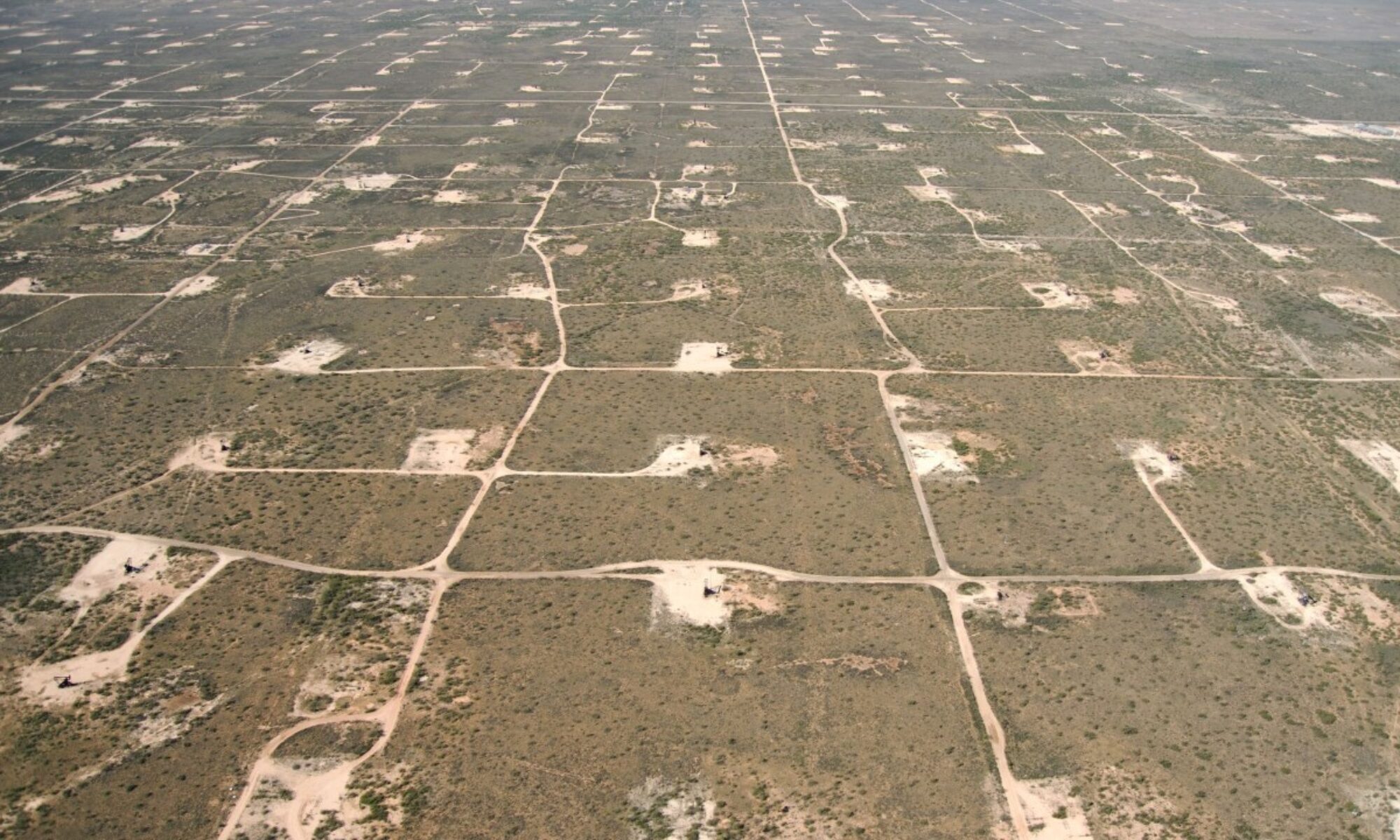
To extract oil and gas from their property an owner needs to use the services of an oil and gas company. That business relationship is typically defned by a lease which allows the oil and gas company to enter the property, drill and then over time remove the oil and gas. Such leases should be mutually beneficial to the parties and control what can be a complex economic relationship.
Since no two pieces of land are identical and because oil and gas may be found at multiple depths below the surface of the land, oil and gas leases can vary substanitally in their terms. The lease should reflect the unique features of the property involved and the business goals of the two parties to the lease.
In a typical oil and gas lease the landowner, who typically owns the rights to all minerals under the land, is referred to as the “lessor” and the oil and gas company is the “lessee”. The lease grants the company the right to explore, drill and produce oil, gas, and other minerals from below the surface of that land.
Oil and gas leases allow the property owner to continue ownerhsip of their land and its associated mineral rights while allowing extraction of oil and gas at certain depths subject to the financial arrangements in the lease. As with any legal document, oil and gas leases use certain terminology and common terms. But each lease also has many differences. A landowner will need help negotiating a lease so that it reflects their interests and desires.
Typically the oil and gas company pays to the landowner a monthly royalty payment by check or direct deposit whenever resources are extracted and sold from their property and issues a report that states the amount of resouces removed in that period and the price attained for their sale. An oil and gas lease agreement generally sets a fixed percentage of the share of profits for the property owner. This percentage is applied to each month’s operational profits, and thus the landowner is able to earn a monthly income from their oil and gas lease.
Often a lease will provide for a bonus payment to the landowner. This is typically paid shortly after the lease is signed and is compensation for signing the lease. Payments for royalties as described above are in addition to the bonus payment. If the drilling company chooses not to drill or is unable to find oil or gas, the landowner retains the bonus payment.
Often during the period of the lease a well is drilled that pulls oil or gas from a pool that is larger than the land area of the lease. Since this means oil or gas is being removed from someone else’s land, arrangements must be made to share the profits. A solution to this is often proposed by the oil and gas companies involved. Several different methods are used including Pooling, Joint Leases and Unitizaton. An owner must keep careful watch of the agreements involved, the oil and gas production reports and the related account statements to make sure all monies due are received.
Once oil and gas is pumped from your property, other oil and gas companies may request to drill at other depths and may try to obtain leases on properties next door. Again careful watch must be made to ensure that each landowner receives all payments due. Additionally, all related deeds, including many from years before, must be reviewed to see if the landowner or anyone else has rights by deed to a percentage of the oil and gas revenues. Such a deed right can supercede a later lease.

If more than one person has an interest in the land involved, you need to consider the legal form, partnership etc., that should take ownership of the mineral rights and enter into the lease with the oil and gas company. At the same time you will need to consider tax implications, for both income and realesate taxes.